
_edited.png)
Why Winter Events Feel Different : Even When Everything Goes Right
- Dr. Bartending
- Jan 26
- 4 min read

You planned everything.
The venue looked stunning. The playlist hit just right. The drinks were flowing. Guests were smiling.
And yet...
Something felt different.
Quieter, maybe. Slower to start. People left earlier than you expected.
Here's the thing: nothing went wrong.
Your winter event just followed winter rules.
The Observation
Every January through March, we notice the same pattern.
Hosts text us after the event with a slight worry in their voice:
"It was great, but... people seemed tired?"
"The energy never quite hit that peak I imagined."
"Everyone left by 10pm. Was it something we did?"
Nope.
It's science.
And once you understand it, you'll stop second-guessing yourself.
The Science: Why Winter Rewires Your Guests
Let's get nerdy for a moment.
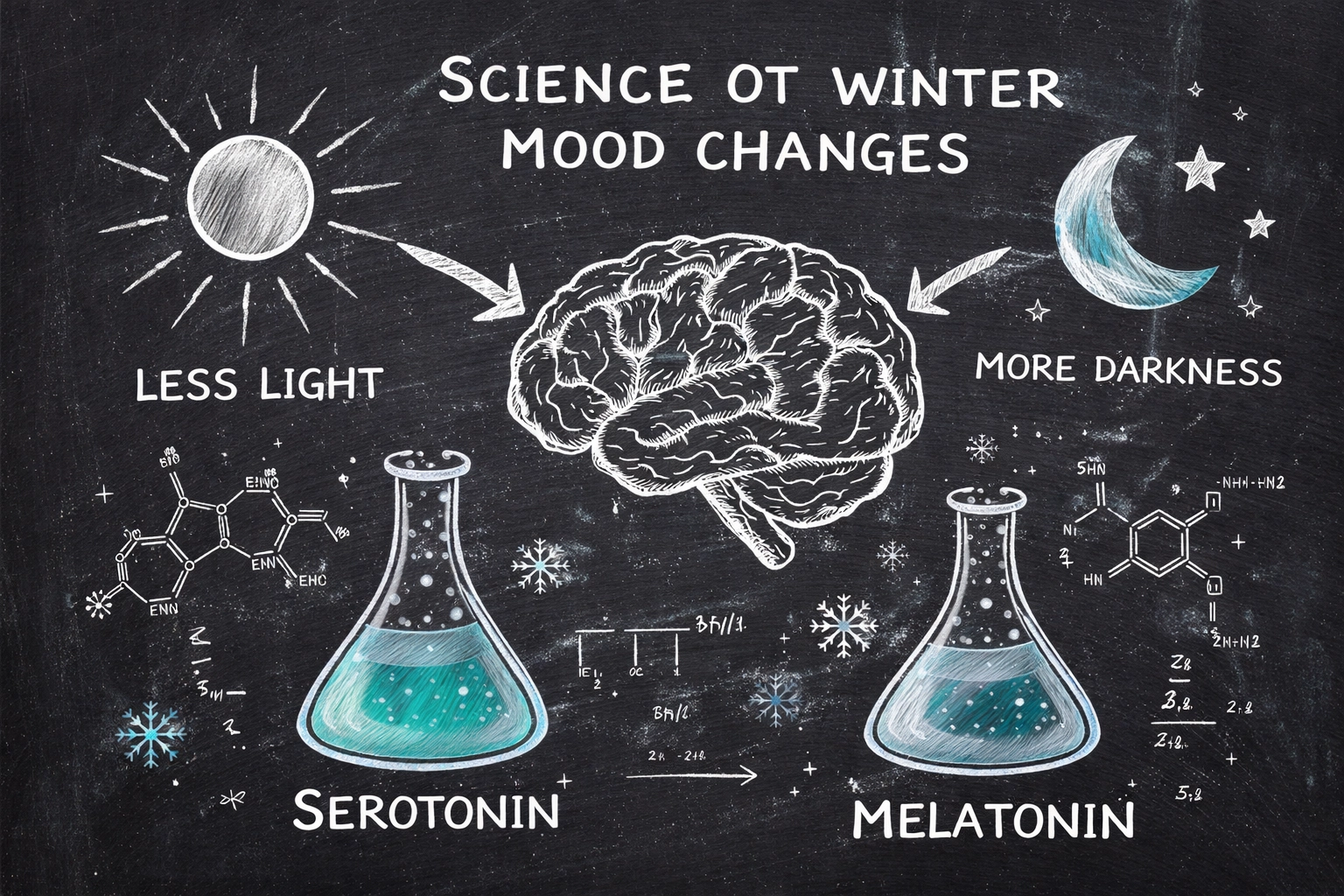
Observation #1: Serotonin takes a dip.
Sunlight regulates serotonin : that neurotransmitter responsible for mood, energy, and general "I'm having a great time" feelings.
Less sunlight = less serotonin production.
Your guests aren't unhappy. They're just operating on a slightly dimmer baseline. Even when everything is objectively wonderful, their internal mood meter reads a little lower than it would in July.
Observation #2: Melatonin goes into overdrive.
Shorter days trigger increased melatonin production. That's the sleepy hormone. The "I could really use a blanket right now" chemical.
Your guests aren't boring. Their bodies are literally telling them to hibernate.
Observation #3: Winter inertia is real.
Studies show that around 20% of Americans report losing interest in activities they normally enjoy during winter months. Add fatigue (28%) and general low mood (27%) to the mix.
This isn't failure. This is biology doing its thing.
What This Actually Looks Like at Your Event
Let's translate the lab results into real-world observations.
The Slow Start
Summer party at 7pm? Guests arrive at 6:45, buzzing with energy.
Winter party at 7pm? You'll see stragglers until 7:45.
Why?
Darker roads. Slower driving.
Bundled-up coat situations at the door.
The psychological resistance to leaving a warm house.
This is normal.
Your event isn't unpopular. Your guests are just battling the primal urge to stay on their couch.
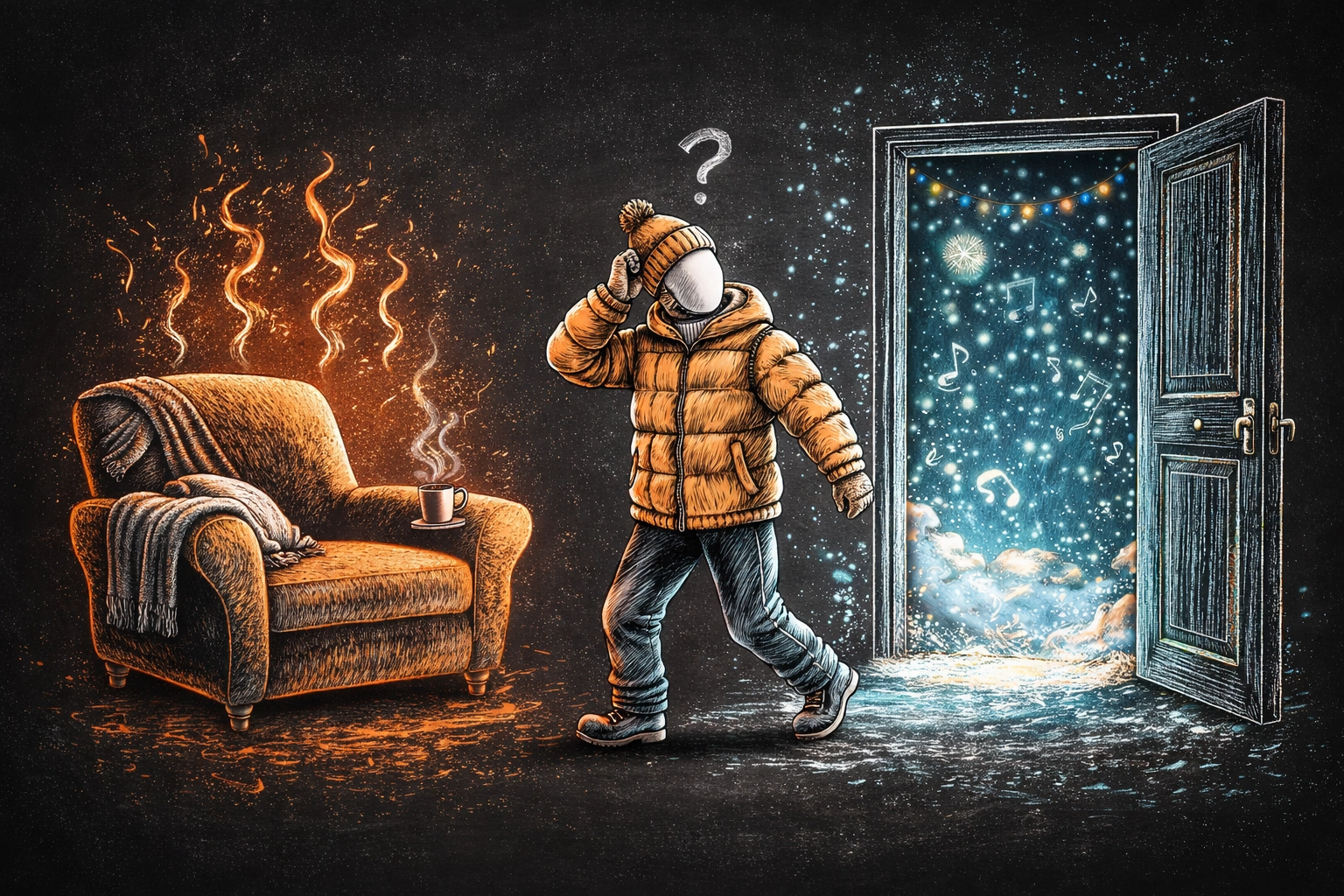
The Cozy Plateau
Summer events have a clear arc: slow build → peak energy → gradual wind-down.
Winter events? The arc is flatter.
You won't get that explosive dance-floor moment at 9pm. Instead, you'll get something different:
Clusters of warm conversation.
Genuine connection over a well-made drink.
Laughter that's intimate, not loud.
This is not a failure to launch. This is a different kind of success.
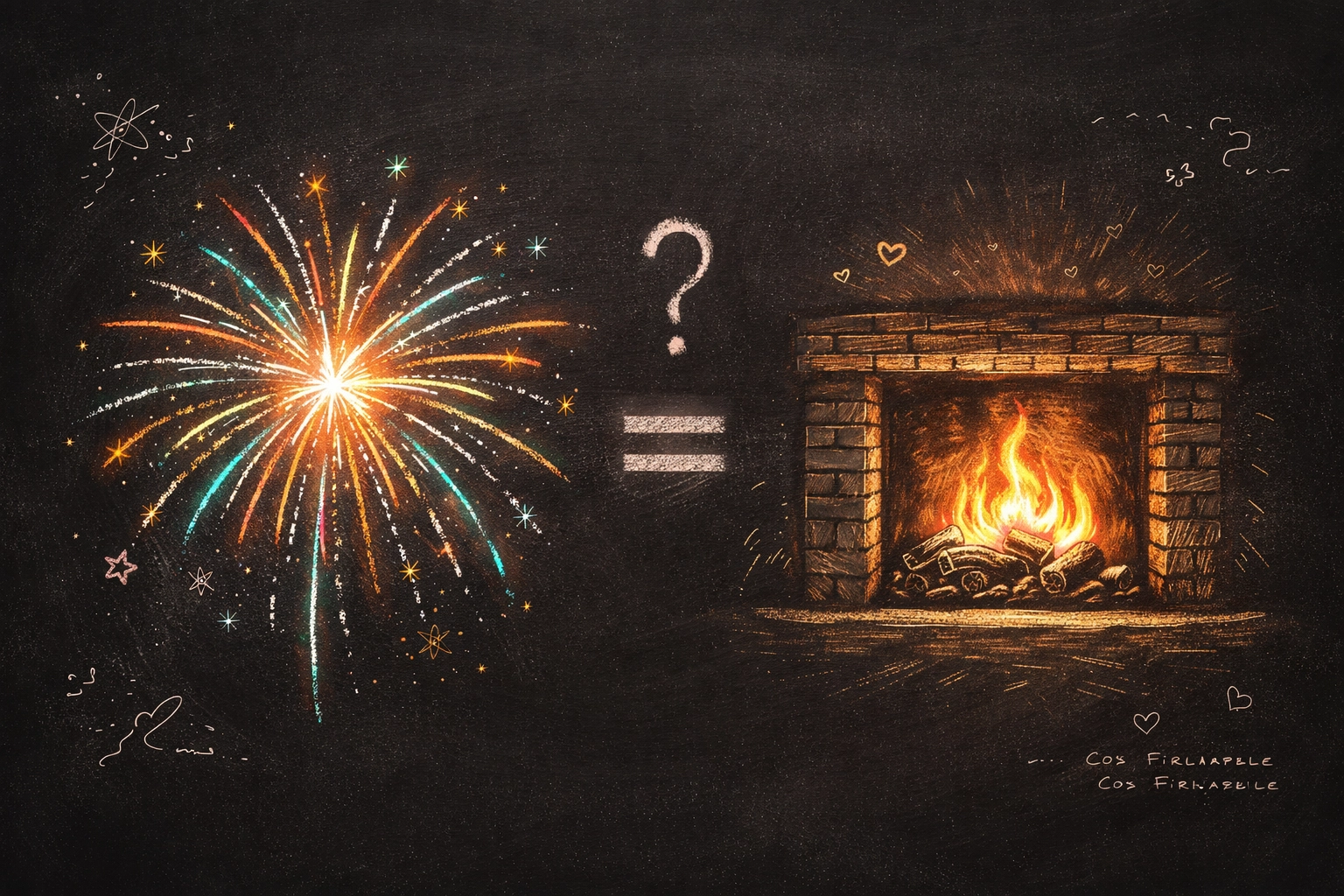
Think of it as the difference between a firework and a fireplace. Both are beautiful. They just burn differently.
The Early Exit
By 9:30pm in winter, brains start whispering:
"It's dark. It's cold. That couch is calling."
By 10pm, coats are being gathered.
This doesn't mean your party bombed. It means circadian rhythms are powerful, and your guests have a biological curfew written into their DNA.
Expect it. Plan for it. Don't panic about it.
The Real Problem: Mismatched Expectations
Here's where hosts get tripped up.
You picture a winter event through a summer lens.
You expect the same arrival times, the same peak energy, the same departure window.
When reality doesn't match that mental image, you assume something went wrong.
Nothing went wrong.
You were just using the wrong measuring stick.
How to Calibrate Your Expectations
A few adjustments to your mental model:
Expect a 30-45 minute buffer on arrival.
Don't schedule the "big moment" (toasts, reveals, first dance) right at the start. Give people time to thaw , literally and figuratively.
Front-load the experience.
If you want energy, put your best programming earlier in the timeline. By 9pm, you're playing defense against melatonin.
Redefine success.
A winter event that feels intimate, warm, and connected? That's not a consolation prize. That's actually what winter is for.
Some of the most memorable events we've worked weren't the rowdy summer blowouts. They were the quiet winter gatherings where every conversation felt meaningful.
Shorten the runway.
Consider a tighter event window. Three focused hours in winter can feel more complete than five sprawling hours where the last two are just... people lingering out of politeness.
How the Bar Adapts to Hibernation Energy
We've worked enough winter events to know the rhythm.
Our approach shifts with the season.
Pacing changes.
Early in the evening, we're ready for a slower trickle. We use that time to connect with each guest, make recommendations, create small moments of delight.
When the rush comes : and it does, usually about 45 minutes in : we're ready.
The vibe shifts.
Winter bar service isn't about speed and volume. It's about warmth and presence.
A guest lingering at the bar for an extra minute of conversation? That's not inefficiency. That's the whole point.
We read the room.
When energy starts to dip around the 2-hour mark, we're not surprised. We lean into it. The drinks stay excellent. The service stays sharp. We let the event breathe its natural rhythm.
If you've read our post on the chemistry of cold weather cocktails, you know we think a lot about how temperature and season affect the experience.
This is just the next layer of that thinking.
A Note on "Failure"
We need to talk about this word.
Too many hosts walk away from a perfectly lovely winter event feeling like they failed because it didn't look like a summer party.
That's like being disappointed that your fireplace isn't a bonfire.
Different fuel. Different purpose. Different beauty.
Your winter event succeeded if:
People felt welcomed.
Conversations happened.
Guests left warm (inside and out).
The bar was stocked, the drinks were good, and no one stood in line too long.
That's it.
That's the formula.
The Takeaway
Winter events play by different rules.
Slower starts. Earlier endings. A cozier energy curve.
None of this is failure. All of this is biology.
Once you adjust your expectations, you stop chasing a summer ghost. You start appreciating what winter actually offers:
Intimacy.
Warmth.
Connection that doesn't need to be loud to be real.
So the next time you throw a winter gathering and find yourself wondering why it felt "different" : even when everything went right : remember:
It wasn't your planning.
It wasn't your venue.
It wasn't your bar service.
It was just winter, doing what winter does.
And that's perfectly okay.
Comments